You may be excited, nervous, or both on your first Everest trek. That is perfectly normal. The ride takes you deep into the heart of the Himalayas. You will go through mountain villages, forests, rivers and beautiful high-altitude landscapes.
The Everest Base Camp trek isn’t just about getting to one famous place. The journey itself is a memorable part of your adventure. You’ll meet friendly people, sleep in mountain teahouses and find a slower pace of life.
You don’t have to be a pro athlete to enjoy the trek. Before you set off, it’s worth understanding the Everest Base Camp trek difficulty so you know what to expect physically. Above all, you should know what the journey is before you embark on it.
What Should You Expect on Your First Everest Trek?
Normally, your trek begins in Kathmandu before you arrive in the Everest region. After landing at Lukla, your walking adventure through the beautiful Khumbu landscape begins. Read more about the Lukla flight.
You’ll spend several days walking between mountain villages. Most days will include several hours of walking, depending on your itinerary. It’s also helpful to understand the Everest Base Camp Trek itinerary before you begin.
Some sections are easy, while others can test your legs. You will find yourself climbing a hill and wondering why you picked this adventure.
Don’t worry; those hard times often become your best stories later.
You will walk beside rivers, cross suspension bridges, and pass Buddhist prayer wheels. Or you may get to see colourful prayer flags fluttering in the mountain wind.
The more you go up the more the landscape changes dramatically. There are fewer trees, and great mountains start to dominate the horizon.
You will pass thru famous villages like Namche Bazar. Namche is a vital stopover point for trekkers en route to Everest Base Camp.
It is also a great place to rest, explore and have a warm cup of tea.
Take Your Time and Enjoy the Journey
Simple, one of the biggest lessons for first-time hikers. There’s no need to hurry.
The mountains aren’t going anywhere, so there’s no need to rush towards Everest Base Camp.
Slow walking, enjoy the scenery, and save your energy. It also allows your body more time to get used to the higher altitude.
You may find that normal activities are surprisingly tiring at higher elevations. Even climbing a short flight of stairs can be a workout.
This is why your speed of trekking is more important than your walking speed.
Stop regularly and take in the local scenery. Hydrate consistently. Listen to your body closely.
You might also find that your camera is a great companion on the journey. Every few minutes there can be another incredible photo.
But please do look away from your screen now and then. Pay close attention to the Himalayas.
Understanding Altitude Before You Go
One of the most important things to know before your Everest trek is altitude.
The air becomes thinner as you climb higher, with less oxygen in it. Your body takes time to adjust to these changing conditions.
This adjustment process is called acclimatisation. A good itinerary includes rest days at appropriate altitudes.
During these days you can take short walks around nearby villages. These walks are a way to stay active without too much elevation gain.
Altitude sickness should never be taken lightly. Before your trek, it’s important to understand altitude sickness and how to recognise its warning signs. Headaches, dizziness, nausea, unusual tiredness and trouble breathing may need attention.
If you feel unwell, let your guide know immediately. Don’t hide symptoms because you want to keep up with your group.
A successful trek is not about how tough you are. It’s about getting safely to your goal.
Sometimes the best decision you can make is to go down. The hill can wait a day more.
Life in Everest Region Teahouses
One of the most enjoyable parts of your trek can be staying in local teahouses.
Teahouses provide simple accommodation for trekkers throughout the Everest region. You can expect basic rooms, shared facilities, and welcoming dining areas.
Your room may be much simpler than your home. That difference can actually make the experience more interesting.
After a long walking day, sitting around a warm dining room feels surprisingly comfortable.
You can enjoy meals, hot drinks, conversations, and stories with other trekkers. You may meet people from several different countries around one table.
Food choices can vary between teahouses. You can learn more about food on the Everest Base Camp Trek before your journey. Dal bhat, noodles, rice, potatoes, soups, and other simple meals are commonly available.
You may even discover that dal bhat tastes better after several hours of mountain walking.
Electricity and internet access can also become less reliable as you climb higher. This gives you a perfect excuse to spend less time online.
Instead, enjoy conversations, mountain views, and quiet evenings.
Prepare Your Body Before the Trek
Proper preparation will greatly improve your experience at Everest Base Camp. For a more complete preparation guide, see Preparing for the Everest Base Camp Trek.
You should begin training a few weeks or months before you leave. One of the easiest ways to prepare is to walk on a regular basis.
Try to increase the distance you walk gradually and add in hills or stairs. Also throw in some basic strength work for your legs and core.
Your training doesn’t have to get complicated. Better to be consistent than to run yourself ragged sometimes.
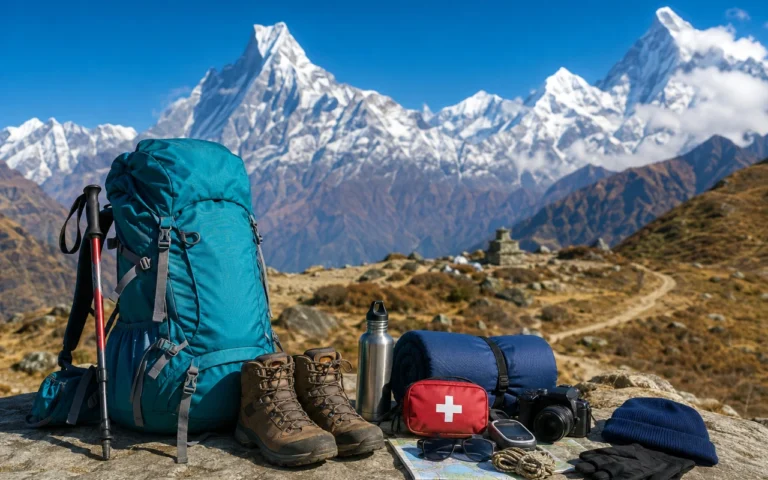
You should also practise walking with a ruck. This makes your body accustomed to carrying the necessary things. A good Everest Base Camp trek packing list can also help you decide what you really need to carry.
Comfortable shoes are also a must. Never start out on your trek in new boots.
Your feet are going to be working hard the whole time. Blisters can turn a fun adventure into a painful one very quickly.
Wear in your shoes before you travel, and make sure your socks feel good.
Experience the People and Culture
Your Everest trek is about more than just mountains.
You will see villages, monasteries, prayer flags, traditional homes and local communities.
The Sherpas culture is an integral part of the Everest region. You can learn more if you observe local traditions respectfully.
Visit the monasteries at the right time. Be respectful in villages and ask to take pictures of people.
A simple ‘hello’ or ‘Namaste!’ can lead to a memorable interaction or a friendly smile.
You will also meet porters and guides who work hard behind each successful trek.
Be respectful and grateful to everyone you encounter on your journey. Their knowledge and experience can make your adventure more safe and meaningful.
Final thoughts for the first-time hiker
Your first Everest Base Camp trip doesn’t have to be perfect.
You might have weary legs, cold mornings, unpredictable weather, and hard climbs. Choosing the best time for the Everest Base Camp trek can also make a significant difference to your experience.
And laughter, friendship, quiet moments and unforgettable mountain views are part of the experience as well.
Prepare yourself, take your time, and pay attention to the altitude.
Most importantly, enjoy the journey and don’t just think about getting to the destination.
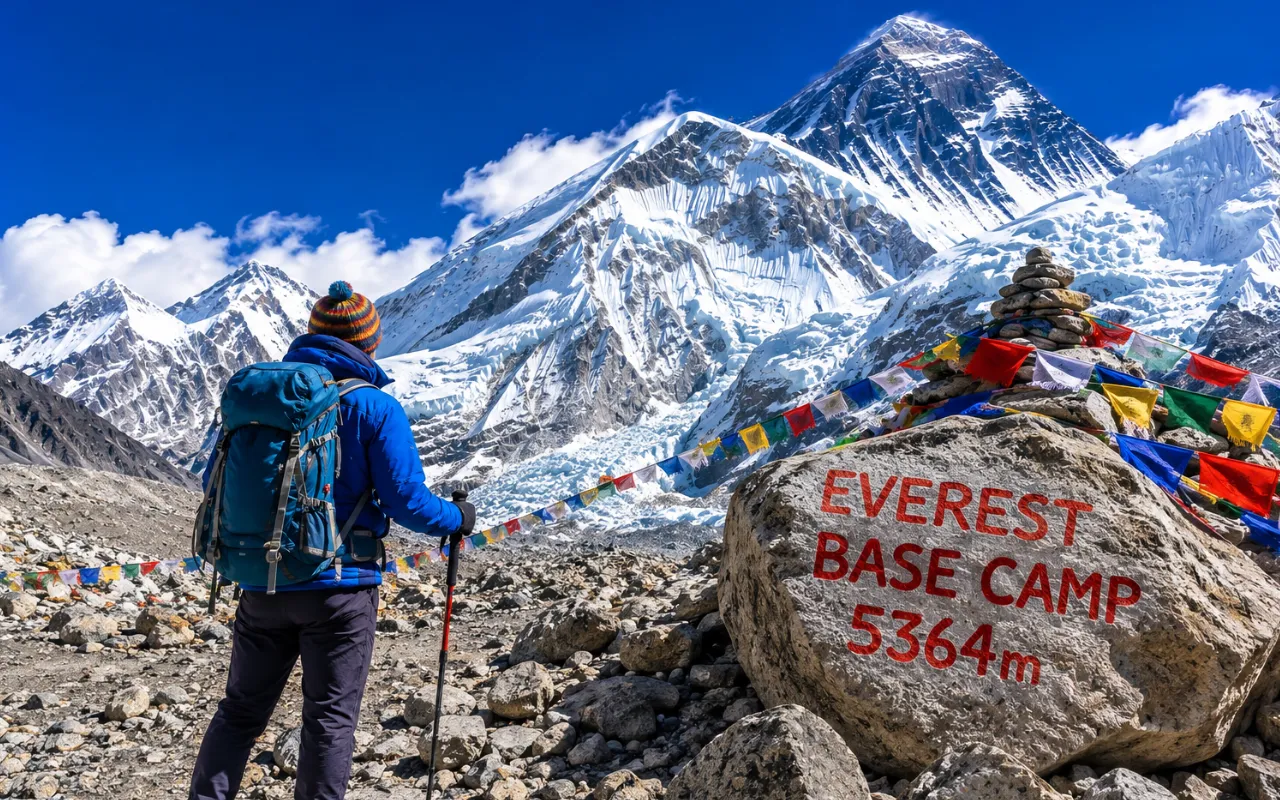
You’ll remember the famous sign a lot better when you eventually arrive at Everest Base Camp.
You will remember the people you met, the trails you hiked, and the moments that tested you.
That is what makes an Everest trek so special for first-time trekkers.