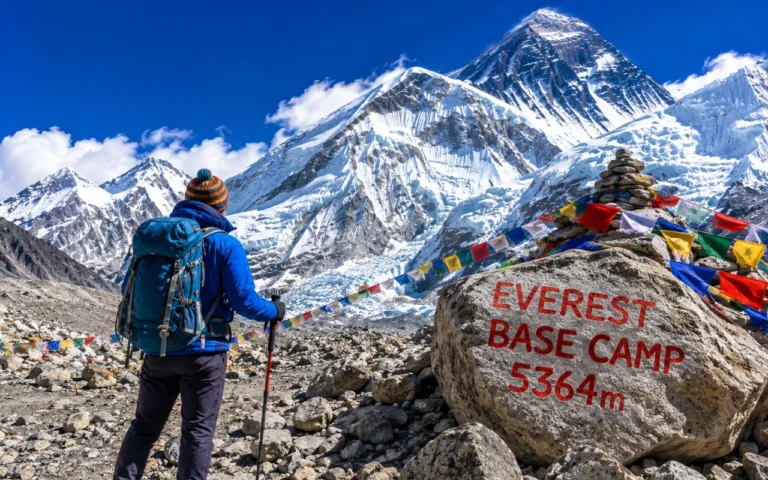
Your first trek in Nepal can be exciting, challenging and a bit confusing at first.
“What do I need to pack?” “How much should I train?” “Am I ready?
The reassuring news is you don’t have to be an expert trekker.
With a little simple preparation, you can enjoy the mountains with greater confidence and fewer surprises.
Nepal offers trekking routes for different fitness levels, interests, and travel styles.
Some trails are gentle, while others include steep climbs, long walking days, and higher altitudes.
Choosing the right route is your first important step.
Think about your fitness, available time, and the type of mountain experience you want.
A shorter trek can be a particularly excellent choice if this is your first Himalayan adventure.
Choose the Right Trek for You
One of the most important parts of preparing for a trek in Nepal is choosing the right route.
Avoid selecting a popular trek just because it’s popular.
Instead, consider what you really want from your mountain adventure.
If you’re new to trekking, start off on a trail that matches your experience.
Shorter hikes can give you a rewarding introduction without being too physically challenging.
Easy village walks, hill hikes, and moderate treks in the Himalayas are popular options.
Also consider the altitude and the number of days of trekking.
If you’re considering the Annapurna region, you may also want to explore the Annapurna Trek Nepal – Best Trekking Route to understand which route may suit your interests.
The higher routes require more preparation, as your body needs time to acclimatise.
Longer treks also require good stamina, as they involve several hours of walking each day for many consecutive days.
If you’re deciding between Nepal’s two most famous trekking destinations, our guide to Annapurna Circuit vs Everest Base Camp can help you understand the differences.
You can also compare Annapurna Base Camp vs Everest Base Camp before making your final decision.
Consider the season before you reach a final decision.
Spring and autumn are usually good times for trekking in many popular areas.
Winters can be cold and snowy, particularly at higher elevations.
The months of the monsoon may mean rain, muddy trails, clouds and the occasional travel disruption.
Build Your Fitness Before You Leave
You don’t have to be a pro athlete before your first walk.
But once you get in shape, every walking day will be much more comfortable.
If you can, start training a couple of weeks before you go.
Walking regularly is one of the easiest ways to get your body ready.
Slowly increase the distance you walk and incorporate some hills.
You can also include stairs, cycling, jogging or simple strength exercises in your routine.
Pay special attention to your legs, hips and core as they do a lot of work walking in the mountains.
If Everest Base Camp is your goal, read our detailed guide on Preparing for Everest Base Camp Trek before you leave.
You may also want to understand Everest Base Camp Trek Difficulty so you have a realistic idea of what to expect.
Consider wearing a small rucksack on your training walks.
This will help your body adjust to the weight you will be carrying.
Remember that trekking is not a race.
Your goal is steady movement rather than impressive speed.
During your trek, walk at a comfortable pace and take regular breaks when needed.
Prepare Your Body for High Altitude
Altitude is one of the most significant differences between a normal walk and a trek in the high Himalaya.
And as you go higher, the air gets thinner, and there’s less and less oxygen in your body.
This means you could be wearing it out faster than you think.
The best trekking itineraries will allow you plenty of time to gain altitude slowly.
You need to take rest days, especially on the higher routes.
Use these days to relax, get to know the local areas and get your body adjusted.
Drink plenty of water throughout the day and don’t sprint up the hills.
Listen to your body, not to the other trekkers.
Do not ignore headaches, persistent tiredness, dizziness or nausea.
If you feel very unwell at altitude, let your guide know as soon as possible.
Symptoms may become severe, and it may be necessary to go down to a lower elevation.
Good preparation means knowing when to have fun and when to slow down.
Pack Smart, Not Heavy
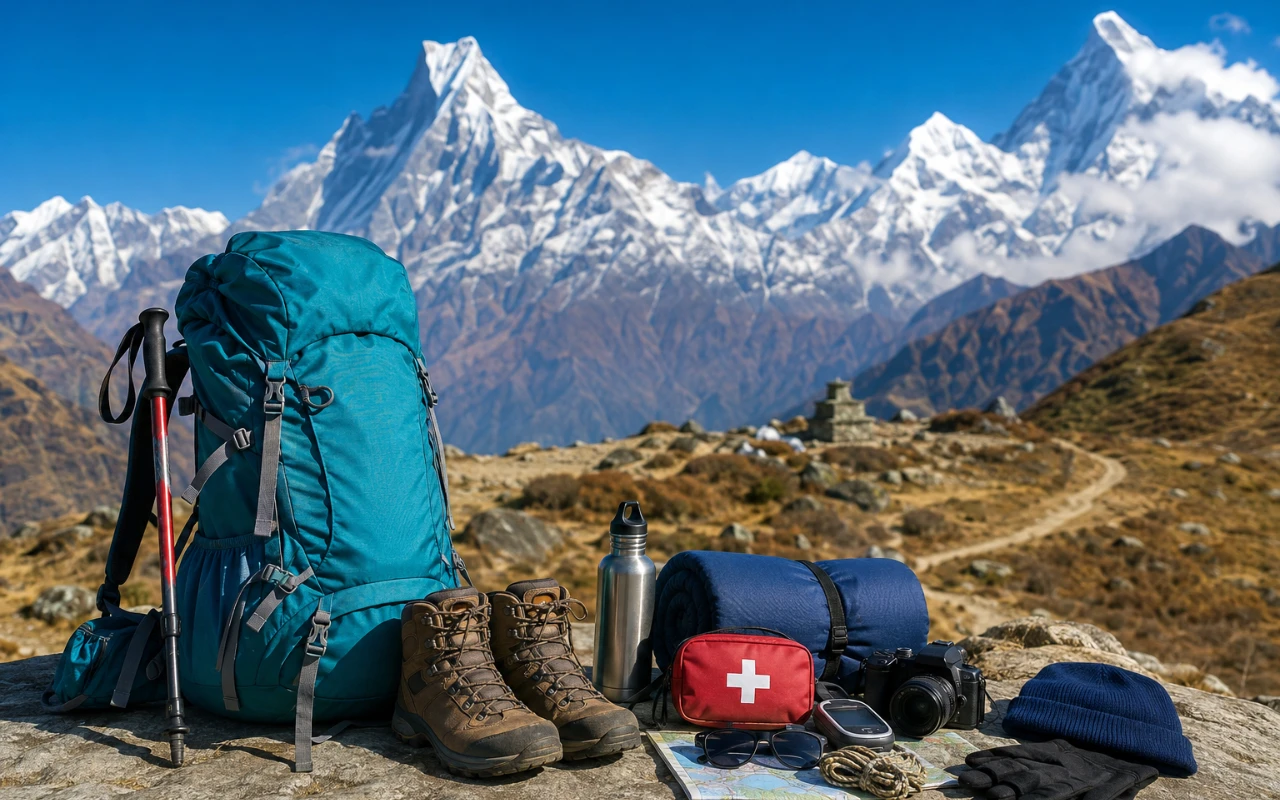
Packing for a trek in Nepal is not a case of taking your whole bedroom up the mountains.
A lighter rucksack can make for much easier long walking days
Wear good trekking clothes that can be layered as per the weather.
Bring warm clothing for cold mornings and high elevations.
Also useful is a waterproof jacket, as the weather in the mountains can change quickly.
Trekking shoes are essential for uneven trails and long days walking.
Don’t wear new shoes on day one; break in your shoes before the trek.
Even an exciting adventure becomes a very unhappy walk with blisters.
If you’re planning Everest Base Camp, take a look at our Everest Base Camp Trek Packing List for a more detailed guide.
You may also find our recommendations for the Best Backpack for Everest Base Camp Trek, Best Boots for Everest Base Camp Trek and Best Jacket for Everest Base Camp Trek useful when preparing your gear.
For cold-weather trekking, you can also read about the Best Sleeping Bag for Everest Base Camp Trek.
Bring basic personal medicines, sunscreen, sunglasses, toiletries and a reusable water bottle too.
A headlamp is handy in the early morning hours and during sudden power outages.
Keep moisture away from important documents and valuables.
Most trekking gear can be bought or hired in Nepal.
If you forget a pair of socks or a small piece of equipment, there’s no need to panic.
Discover the Mountain Life
A trek in Nepal can be a completely unique holiday to your usual one.
You can stay in simple teahouses with basic rooms and shared toilet facilities.
Hot showers may not always be available, especially in remote and higher areas.
And as you go higher, the food choices can become easier.
You will find popular food items like dal bhat, noodles, soups, potatoes and rice dishes.
Partly, dal bhat is popular because it is a filling and familiar source of energy.
In remote areas, electricity and internet access may also be less consistent.
Don’t let the little irritations bog you down; just incorporate them into the mountain experience.
Sometimes one of the best parts of your trip is putting your phone away.
You should also get mentally ready for slow travel.
A trail may look short on your map, but it can take several hours to hike.
Steep climbs can make short distances feel surprisingly long.
Travel With Patience and a Positive Mindset
Your attitude can be a big factor in your first walk.
Some days may be sunny and beautiful. Some days may have clouds, wind, or rain.
Weather and trail conditions can also alter your planned schedule.
Try to enjoy the ride instead of just looking at the destination.
Enjoy the mountains, villages, forests, rivers and local life around you at your pace.
You may make some of your best memories in the most unexpected places.
A good relationship with your guide and the local people can also make your trek more enjoyable.
Ask questions, learn about local customs, and respect the communities you encounter.
Small acts of kindness can build important bonds on the trail.
Most importantly, remember your reasons for going trekking in the first place.
You came to experience Nepal, not just to check another place off your travel list.
Take a moment to appreciate your surroundings. Take in the scenery. Let the mountains set your pace.
Turn Preparation Into Part of the Adventure
It doesn’t have to be complicated to prepare for your first trek.
Pick a good route, get fit, pack smart and know your altitude.
Allow yourself plenty of time to prepare yourself physically and mentally.
Keep it simple when you get to trail, enjoy each walking day.
You’ll find that trekking isn’t just about arriving at a beautiful destination.
It’s about the villages, the mountain views, new friendships, quiet mornings and unexpected experiences.
Read our guide to Insurance for Everest Base Camp Trek before your journey.
With the right preparation, your first trek in the Himalayas can become a trip to remember for years to come.
So lace up your boots, take your curiosity, and get ready to explore Nepal one step at a time.
Planning to spend more time in Nepal? You may also enjoy our guide to Best Things to Do in Chitwan Besides Safari, especially if you’re combining trekking with wildlife, culture and other experiences in Nepal.